Food Storage on a Budget
Food Storage on a Budget: Practical Strategies for Responsible Prepping
Introduction: Why Food Storage Matters
Food storage on a budget is a cornerstone of responsible preparedness. With proper planning, even households on a tight budget can ensure they have essential nutrition available during emergencies.
“And the Lord said, ‘Who then is the faithful and sensible steward, whom his master will put in charge of his servants, to give them their rations at the proper time?’” — Luke 12:42 (NASB)
This article provides practical steps for food storage on a budget, grounded in experience, frugal habits, and Scripture-guided wisdom. For more on the philosophy behind frugal prepping, see our About page.
Before purchasing, determine what your household actually requires:
“Then He said to them, ‘Watch out and beware of greed; for life is not in abundance of possessions.’” — Luke 12:15 (NASB)
Even modest efforts in building a food storage plan can prevent stress and reduce waste during unexpected disruptions. When approached thoughtfully, each small step reinforces stewardship of resources while providing security for your household. Planning consistently ensures your preparedness grows steadily, even on a tight budget.
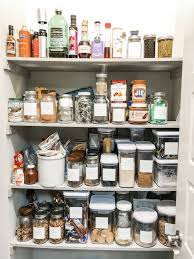
Step 1: Assess Needs and Space
Determine your household’s actual requirements before buying supplies:
- Number of people: Calculate for each household member.
- Storage space: Identify cupboards, pantries, or safe off-site options.
- Dietary needs: Consider allergies, nutrition, and preferences.
“So teach us to number our days that we may get a heart of wisdom.” — Psalm 90:12 (NASB)
External Resource: For basic emergency food planning, see Ready.Gov Food and Water.
Step 2: Focus on Cost-Effective Staples for Food Storage on a Budget
Core staples provide long-term nutrition while remaining budget-friendly:
- Grains: Rice, oats, pasta
- Legumes: Beans, lentils, split peas
- Canned goods: Vegetables, fruits, meats
- Powdered essentials: Milk, eggs, protein powders
Tips:
- Buy in bulk at warehouse stores or during sales.
- Rotate stock using first-in, first-out to avoid waste.
- Track prices to purchase at the best value.
“The plans of the diligent lead surely to abundance, but everyone who is hasty comes surely to poverty.” — Proverbs 21:5 (NASB)
Internal Link: See our upcoming guide on Emergency Supply Checklist for a complete prepper food list.
Step 3: Store Safely and Efficiently
Proper storage ensures food lasts and remains safe:
- Containers: Use airtight, food-grade bins or jars.
- Location: Cool, dry, and dark areas extend shelf life.
- Labeling: Include purchase/preparation dates and check expirations regularly.
Tip: Repurpose clean containers from home to save money.
“A wise man thinks ahead; the fool doesn’t and suffers the consequences.” — Proverbs 13:16 (NASB)
Step 4: Add Variety Without Overspending
Keep meals interesting without breaking the budget:
- Affordable fruits and vegetables (fresh, frozen, or canned).
- Grow small herbs or vegetables at home for freshness.
- Include inexpensive protein sources: eggs, beans, canned fish.
External Resource: USDA guidance on storage and nutrition: USDA Food Safety Basics
“Better is a little with the fear of the Lord than great treasure, and turmoil with the treasure.” — Proverbs 15:16 (NASB)
Step 5: Make It a Sustainable Routine
- Plan meals to reduce waste and maintain rotation.
- Small monthly purchases accumulate over time without straining your budget.
- Track inventory and adjust purchases based on usage.
- When possible, share surplus supplies with neighbors or community members, following Biblical principles of care and generosity
“Prepare your work outside; get everything ready for yourself in the field, and after that build your house.” — Proverbs 24:27 (NASB)
This verse emphasizes the importance of establishing proper order before acting. In food storage and frugal prepping, careful planning—assessing needs, organizing supplies, and creating routines—ensures that your efforts are effective and sustainable. By building systems first, each action contributes to long-term household resilience and reflects wise stewardship of resources.
Start Small, Build Faithfully
Food storage on a budget is achievable with careful planning, diligence, and faith-guided stewardship. Begin small, focus on essentials, and integrate routines that make preparedness manageable and consistent.
“A wise man saves for the future, but the foolish devours all in haste.” — Proverbs 21:20 (NASB)
Remember, food storage on a budget is a journey, not a one-time project. By combining planning, frugal habits, and Biblical wisdom, each step strengthens your household’s resilience.
Internal Links: