7 Budget Prepping Garden Tips for Food Security
Budget prepping isn’t just about buying canned goods or storing water—it’s about creating a sustainable, low-cost system to provide for your household over time. One of the most overlooked tools in a prepper’s arsenal is a functional garden. A budget prepping garden allows households to grow nutritious food affordably, supplement purchased supplies, and gain long-term independence from grocery fluctuations.
Planting and maintaining a small garden may seem intimidating, but with a clear plan, even limited space can yield meaningful results. This article outlines practical strategies for starting and operating a budget-conscious garden to enhance your prepper readiness.
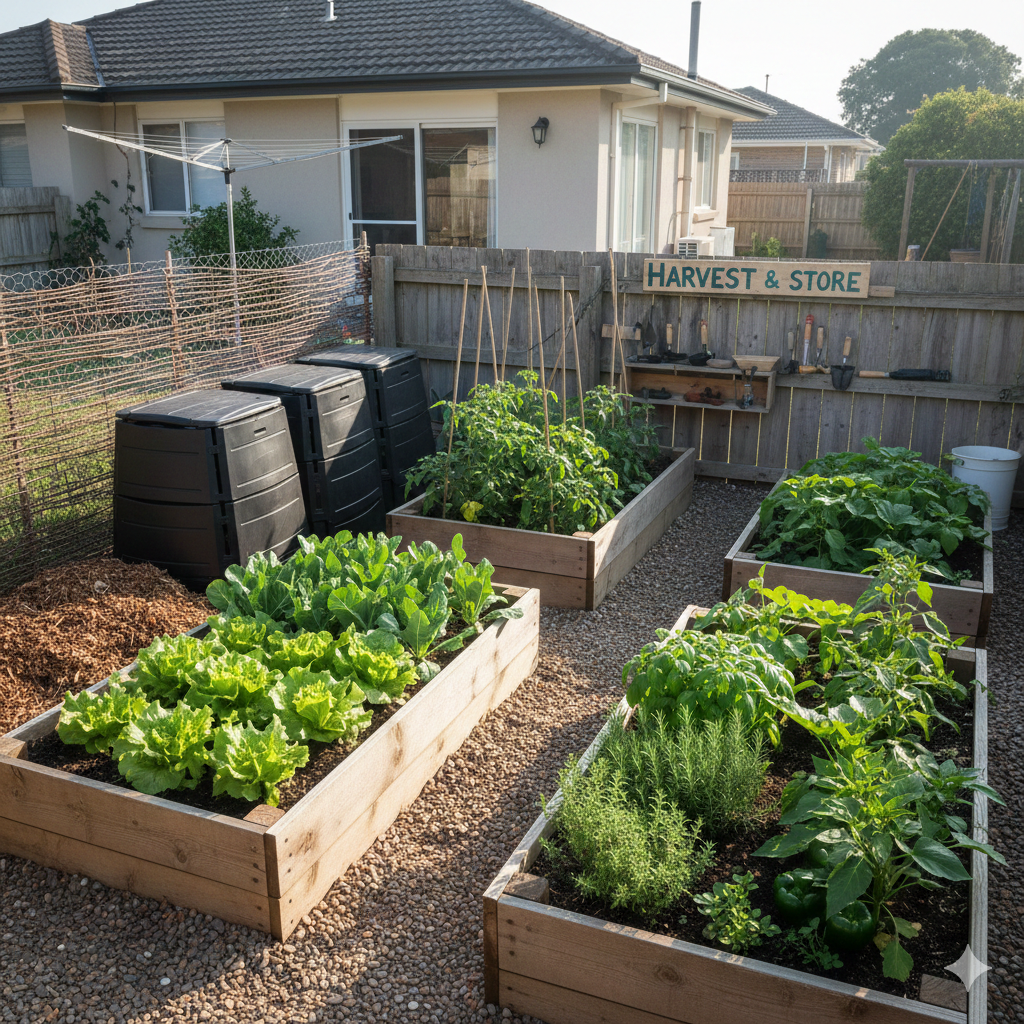
Why a Garden Matters in Budget Prepping
Food storage is vital, but it only covers short-term security. Without renewable sources, your stockpile will eventually deplete or require expensive replenishment. A garden provides:
- Continuous food production: Seasonal planting ensures a rotating supply of vegetables, herbs, and fruit.
- Cost savings: Growing your own food dramatically reduces grocery bills, a key consideration for budget-constrained starters.
- Health and nutrition: Fresh produce supplements stored foods and provides vitamins often lost in canned or preserved items.
Integrating a garden aligns with principles outlined in the Budget Prepping Hub, emphasizing sustainability over accumulation.
Planning Your Budget Prepping Garden
Before planting, a structured plan prevents wasted effort and maximizes yield.
- Assess Your Space
Even small areas like balconies or patios can support container gardening. Raised beds or vertical setups optimize limited space. Consider sunlight, drainage, and accessibility when deciding where to plant. - Select Cost-Effective Crops
Focus on high-yield, low-maintenance plants such as tomatoes, leafy greens, carrots, and herbs. Choose varieties suited to your climate to reduce failure rates. - Schedule Crop Rotation
Rotating crops helps maintain soil fertility and reduces pest pressure. Plan a yearly schedule and maintain a simple log to track planting dates and harvests. University extension services recommend rotation for both productivity and soil health.
Budget-Friendly Gardening Techniques
Cost-conscious preppers can implement strategies that minimize expenses without sacrificing productivity.
- Composting: Turn kitchen scraps into nutrient-rich soil. This reduces the need for store-bought fertilizer.
- Seed Saving: Collect seeds from mature plants to reuse in the next season, lowering long-term costs.
- DIY Supports and Containers: Use reclaimed materials like pallets, old containers, or trellises for vertical planting.
- Mulching: Conserves water and suppresses weeds, reducing irrigation and labor needs.
These methods mirror the same practical, cost-aware approach discussed in related spoke articles like Budget Food Storage Basics.
Maintaining and Rotating Your Garden
A budget prepping garden requires regular attention to remain productive and aligned with household needs.
- Watering and Soil Care
Establish a predictable watering routine and monitor soil nutrients. Mulch and compost enrich soil without expensive chemicals. - Harvesting and Storage
Consume fresh produce promptly, and store extras using freezing, canning, or dehydration. This rotation prevents waste and ensures your garden directly supplements your pantry. - Adjust for Household Changes
Just as you would adjust stored supplies for family size or dietary needs, tweak garden plantings to match your household’s evolving requirements.
Document each season’s results, similar to how food rotation checklists maintain consistency and reliability.
Common Mistakes to Avoid
Even budget-conscious gardeners can stumble if they overlook critical steps:
- Ignoring soil health or failing to rotate crops
- Overcrowding beds or containers, reducing yield
- Planting species unsuitable for the local climate
- Skipping documentation of planting and harvest cycles
By anticipating these pitfalls, beginners can maximize success while minimizing wasted effort and resources.
Final Thoughts
A budget prepping garden is a practical, low-cost way to enhance household food security. By thoughtfully planning space, selecting appropriate crops, implementing cost-saving techniques, and maintaining rotation and harvest logs, preppers can sustainably supplement their food supply while reducing dependency on purchased items.
For more guidance on sustainable gardening and long-term food production, see USDA gardening guidance, University extension resources, and the Budget Prepping Hub. For site policies and planning transparency, reference the Terms & Privacy Pages.